
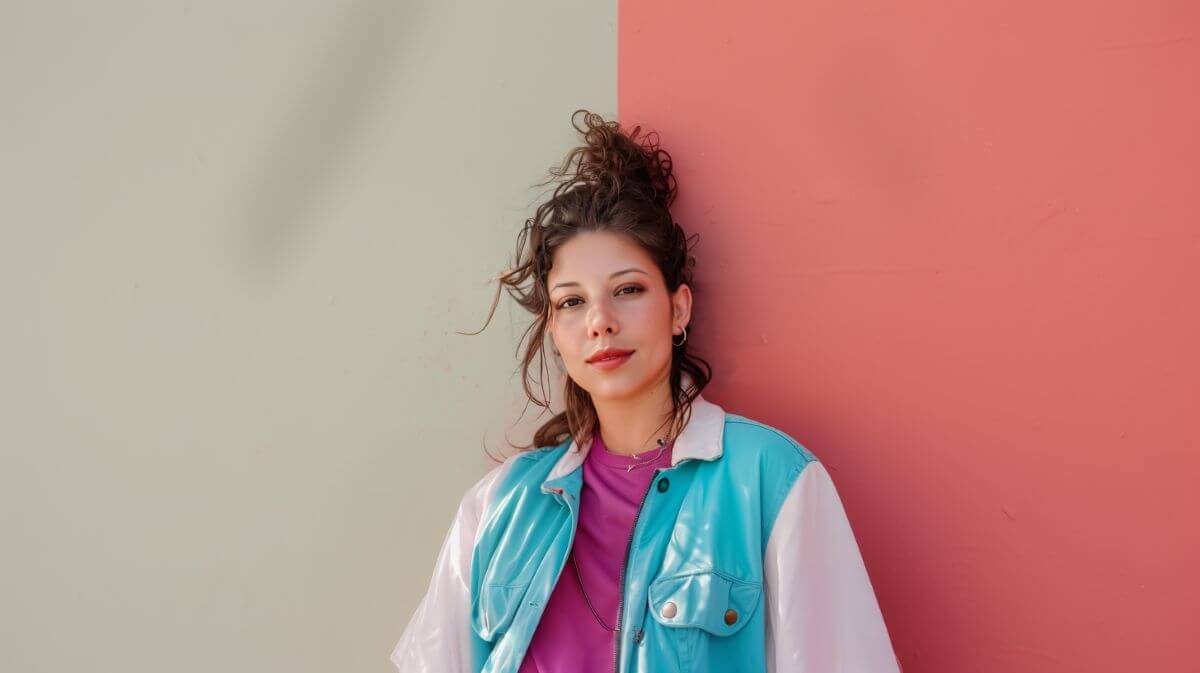
Why do classic streetwear pieces still hold value decades later? The answer lies in a mix of cultural significance, sustainability, and unique style. Vintage streetwear isn’t just about nostalgia, it’s a trend blending past influences with modern fashion trends.
From ‘80s skate culture to ‘90s hip-hop fashion and Y2K aesthetics, vintage streetwear continues to inspire new generations. This guide explores the history, major trends, and how to incorporate vintage streetwear into your wardrobe today.

The History of Vintage Streetwear
The origins & evolution of vintage streetwear comes from roots in multiple subcultures that influenced its evolution, each contributing distinct elements that still resonate in modern fashion:
1980s Skate & Surf Culture
- The California surf and skate scene birthed the first wave of casual streetwear, where brands like Stüssy and Vans created a laid-back, rebellious aesthetic.
- DIY-style graphics, oversized fits, and durable materials became standard, shaping the rugged and effortless look of early streetwear.
- Skate icons like Tony Alva and Mark Gonzales helped solidify loose-fitting cargo pants, graphic tees, and checkerboard slip-ons as staples.
1990s Hip-Hop Fashion
- The rise of hip-hop culture in the ‘90s led to the explosion of urban streetwear, heavily influenced by rap legends such as Tupac, Biggie, and Wu-Tang Clan.
- Brands like FUBU, Wu-Wear, Karl Kani, and Tommy Hilfiger became synonymous with hip-hop fashion, featuring bold logos, oversized denim, and sportswear-inspired looks.
- Sneaker culture took off, with Nike Air Jordans, Timberlands, and Adidas Superstars becoming status symbols in urban communities.
Early 2000s Luxury Streetwear
- The Y2K era blended hip-hop aesthetics with high fashion, leading to collaborations between streetwear brands and luxury houses.
- BAPE (A Bathing Ape), Rocawear, Sean John, Baby Phat, and Phat Farm introduced high-end branding with flashy designs, camouflage prints, and intricate embroidery.
- Influences from Japanese street fashion, especially Harajuku culture and Nigo’s BAPE empire, made streetwear more global.
The Resale Market Boom
- In the 2010s and beyond, vintage streetwear became a collector’s market, with older pieces skyrocketing in value, but 90s and Y2K vintage clothing also in high demand.
- Limited drops, archival pieces, and rare collaborations from brands like Supreme, Nike SB, and BAPE now fetch thousands in resale markets such as Grailed, StockX, and eBay.
- The demand for authentic vintage has reshaped the industry, pushing brands to reissue classic designs and limited-edition retros.
Pro Tip: If you want to find rare vintage streetwear apparel, check Japanese resale sites like Mercari Japan or hunt for deadstock items in thrift stores or vintage markets in London, Oxford, and Brighton.

Why Vintage Streetwear is Trending Again
Vintage streetwear has transcended being just a fashion statement, it’s driven by nostalgia, sustainability, and the exclusivity of past-era designs. Here’s why it’s making a massive comeback:
Nostalgia & The 20-Year Fashion Cycle
Fashion is cyclical, and trends from 20 years ago always find their way back into mainstream culture. Just as ’90s grunge and early 2000s Y2K styles have re-emerged, Gen Z and Millennials are embracing the fashion they grew up with.
- Throwback NBA jerseys, baggy jeans, and oversized tees from the ‘90s are now wardrobe essentials.
- The Y2K revival (velour tracksuits, low-rise jeans, and futuristic sunglasses) is a direct nod to early 2000s pop culture icons like Aaliyah, Paris Hilton, and Missy Elliott.
- Social media platforms like TikTok and Instagram Reels have fuelled second-hand style trends like #Y2Kfashion, #90sStreetwear, and #ThriftFlip, making vintage styles go viral.
Sustainability & The Slow Fashion Movement
As concerns about fast fashion’s environmental impact grow, more consumers are choosing vintage and second-hand clothing for it’s high quality material and craftsmanship. Buying vintage allows shoppers to:
- Reduce textile waste while owning one-of-a-kind pieces that are hardwearing garments.
- Find better quality garments, many vintage items were made from stronger materials than today’s fast fashion.
- Support circular fashion, where clothing is reused and repurposed instead of discarded.
Did you know? The fashion industry is responsible for nearly 10% of global carbon emissions, so buying second-hand is one of the most sustainable ways to shop.

Influencer & Celebrity Endorsement
Streetwear and vintage fashion have been heavily influenced by celebrities, and in the past decade, music artists, influencers, and designers have led the charge in bringing vintage back into mainstream fashion.
Celebrities making vintage cool again:
- Rihanna and Bella Hadid frequently rock thrifted sportswear, oversized jackets, and Y2K statement pieces.
- A$AP Rocky has championed vintage Raf Simons, classic Nike Dunks, and oversized thrifted pieces in his signature style. Which, according to StockX, made the demand for vintage Nike Dunks increase by 350% in the last five years, proving the resurgence of 90s sneaker culture.
- Kanye West and Travis Scott have pushed the popularity of vintage band tees, retro Jordans, and oversized workwear-inspired streetwear.
Pro Tip: Celebs often source vintage designer pieces from resale platforms like Grailed, Depop, and The RealReal, so if you want a celebrity-inspired vintage wardrobe, these sites are a goldmine for gems.
Hype & The Resale Market Boom
In the last decade, vintage streetwear has become an investment. Pieces that were once considered “outdated” are now highly valuable collector’s items, selling for hundreds or even thousands of dollars in the resale market.
Why the hype?
- Sneaker culture has driven up demand for vintage Nike SB, Air Jordans, and Adidas Originals.
- Rare Stussy, Supreme, BAPE, and early 2000s collections have surged in value due to their limited availability.
- Vintage sportswear brands like Starter, Fila, Puma, Champion, and Polo Ralph Lauren have skyrocketed in popularity, leading to re-releases of classic pieces.
Example: A 1990s Supreme box logo hoodie that once retailed for under £200 can now sell for £5,000+ on StockX due to its rarity.
Individuality & Self-Expression
One of the biggest reasons vintage streetwear is thriving is because no two vintage pieces are exactly alike. In a world of fast fashion and mass production, many fashion enthusiasts are seeking unique statement pieces that can’t be found in mainstream stores.
- Thrifting and buying vintage allows for a more personalized wardrobe that reflects an individual’s taste with retro clothing.
- Mixing different decades of fashion (e.g., ’90s oversized streetwear with Y2K accessories) creates a completely original look.
- Gen Z and Millennials, who often reject cookie-cutter trends, gravitate toward fashion that feels authentic and one-of-a-kind to be trendy conversation starters, which sums up retro streetwear.
Style Hack: Try mixing a vintage 1990s graphic tee with modern sneakers or pair a Y2K velour tracksuit with a classic oversized leather jacket for a perfect blend of past and present.

How to Style Vintage Streetwear
Styling vintage streetwear is all about mixing iconic throwback pieces with modern elements to create a unique and effortlessly cool look. Whether you’re aiming for a ’90s hip-hop vibe, Y2K futurism, or skate punk aesthetics, here’s how to make it work.
Men’s Vintage Streetwear Essentials:
- Retro sneakers – Must-have classic trainers like Nike Dunks, Adidas Superstars, Puma Suedes, and Air Jordans set the foundation for any vintage look for men. Skaters can wear nostalgic Vans Old Skools or DC Shoes for that early 2000s aesthetic.
- Oversized graphic tees & hoodies – Look for 1990s band t-shirts (Tupac, Nirvana, Wu-Tang Clan), throwback sportswear (Champion, Starter), and Japanese streetwear icons (BAPE, Evisu, Neighborhood) to add personality.
- Baggy denim & cargo pants – Levi’s Silver Tab, True Religion, Carhartt Double Knees, and Dickies 874s are the gold standard for relaxed fits. Go for distressed or loose-leg denim for an effortless, rugged look.
- Classic outerwear – Vintage varsity jackets, windbreakers, and oversized leather bombers complete the look. Go for Starter and Avirex for authentic ’90s vibes.
Pro Tip: Layer a long-sleeve under a vintage tee, add a beanie or bucket hat, and finish the look with gold chains or rings for a fully realized vintage streetwear aesthetic.
Women’s Vintage Streetwear Staples:
- Crop tops & baby tees – Go for Juicy Couture, FUBU, vintage Nike, or graphic Y2K-inspired tops. Pair them with oversized outerwear for a balanced silhouette.
- Flared jeans & low-rise pants – A Y2K classic! Diesel, Levi’s, and Tommy Hilfiger low-rise flares are making a comeback. Cargo pants with a cinched waist and loose legs also capture the 2000s street aesthetic.
- Statement accessories – Think chunky gold chains, colourful beads, tinted sunglasses, and logo-heavy handbags. Brands like Coach, Dior, and Prada had some of the most sought-after vintage purses in the early 2000s.
- Vintage windbreakers & bomber jackets – Sporty layers are essential. Go for Nike, Reebok, or Adidas retro windbreakers. Leather bombers and faux fur-trimmed coats (inspired by Mean Girls & early 2000s pop stars) also bring back the Y2K energy.
Pro Tip: Pair a baby tee with baggy pants, add a butterfly clip hairstyle, and finish with platform sneakers or retro kicks to fully embrace vintage streetwear.
Style Hack: Blend eras for a modern twist. Try wearing a ’90s oversized tee with 2000s low-rise jeans, or mix a Y2K velour tracksuit with a vintage denim jacket for a layered, one-of-a-kind look.
Conclusion: The Future of Vintage Streetwear
The return of vintage streetwear proves that trends come full circle. Whether you’re looking to relive past fashion eras or find timeless statement pieces, vintage streetwear is a must-have for any wardrobe. Stay ahead of the trend and embrace classic street style!


